
4 Garden Design Tips to Maximize Small Outdoor Spaces
Having limited yard space doesn't mean you have to sacrifice natural beauty. Many homeowners face the challenge of transforming cramped patios, narrow balconies, or awkward side yards into inviting retreats. Creating a lush oasis in a confined area requires thoughtful planning. You can turn a tiny backyard into a beautiful sanctuary by focusing on functional layouts and clever spatial organization. A smaller footprint offers a unique opportunity to curate a cozy environment requiring less maintenance than a traditional lawn.
You'll just need to approach the project with the right mindset and clear goals. It takes a blend of creativity and practical techniques to make every square foot count toward your vision. Whether you want a quiet reading nook to unwind or a vibrant area to entertain friends, optimizing your available square footage is achievable. The following strategies will help you create an outdoor living area that feels spacious, welcoming, and tailored to your lifestyle needs.
1. Focus on Vertical Elements and Upward Growth
When your ground space is limited, the most effective approach is to look up. Vertical surfaces like walls and fences provide an excellent canvas for greenery. Installing wall planters or hanging baskets draws the eye upward to create an illusion of a taller space. Climbing vines such as ivy or fragrant jasmine easily cover bare boundaries and add vibrant life without consuming precious floor space. You'll attach a wooden trellis to an exterior wall to support ornamental flowers.
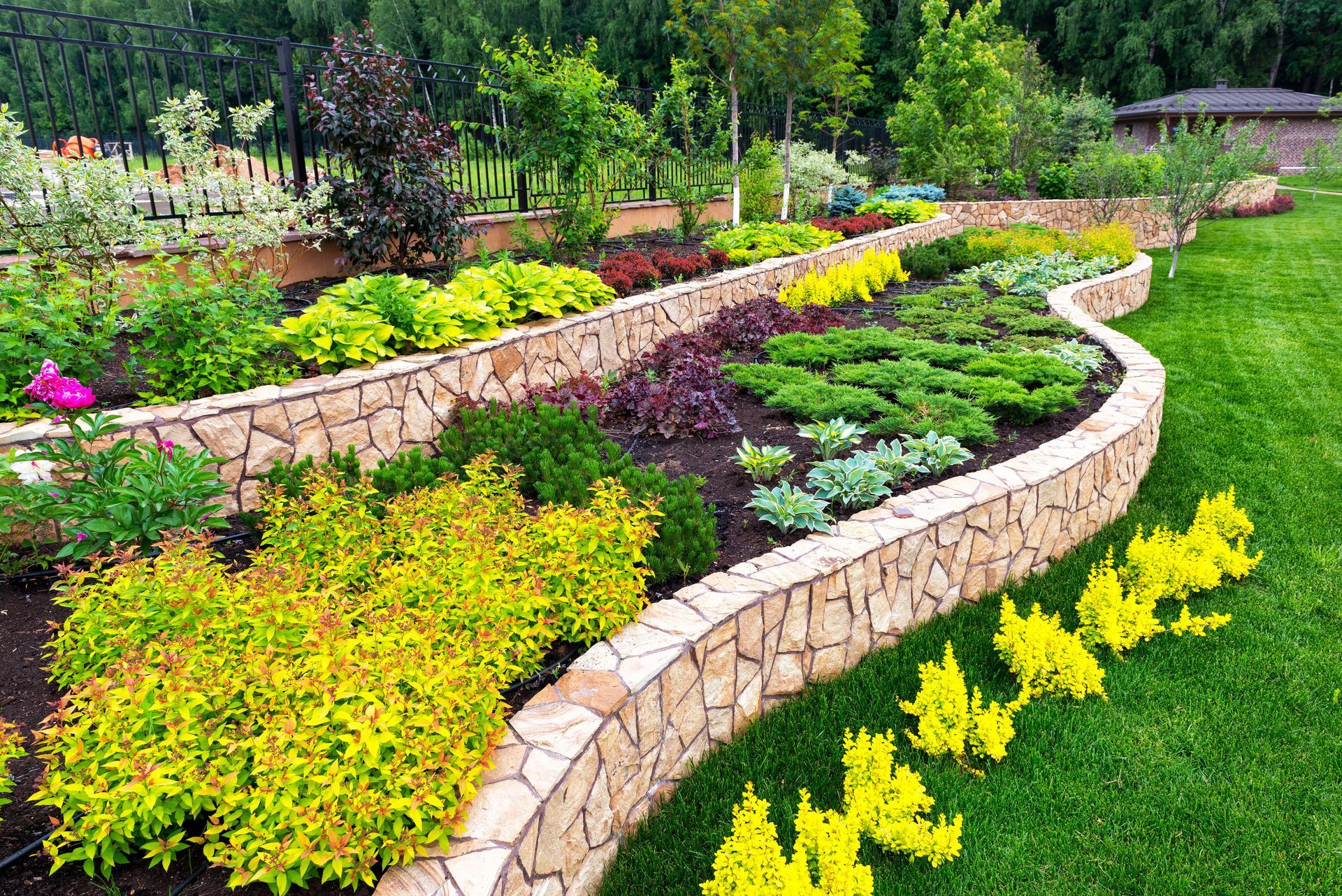
Another smart technique involves using tiered plant stands to maximize your botanical footprint. These staggered structures allow you to display multiple pots in a compact arrangement, expanding your floral display in a minimal physical footprint. Layering plants by height adds depth and visual interest to a flat area. Placing taller plants at the back and shorter ones in the front creates a textured look mimicking a natural landscape. This layered approach is a fundamental concept in successful garden design.
Incorporating tall architectural features also contributes to a sense of spaciousness. A narrow pergola gives climbing plants a sturdy place to thrive while defining an entryway or a specific relaxation zone. Hanging planters suspended from roof overhangs free up your ground area for essential furniture or walking paths. By utilizing the vertical plane effectively, you establish a lush canopy that envelops the area without making it feel claustrophobic or cluttered.
2. Choose Multi-Purpose Furniture and Features
Every piece of furniture in a compact yard should serve more than one basic function. Finding items that double as hidden storage helps keep the area tidy throughout the seasons. A wooden bench with a built-in storage compartment offers comfortable seating while hiding gardening tools and extra cushions. By keeping clutter out of sight, you maintain a clean environment that feels expansive. Eliminating visual noise is a crucial step when organizing any confined exterior zone.
Folding or stackable chairs are ideal for limited patios and narrow balconies. You'll bring them out when guests arrive and tuck them away in a corner when you need more room. Tables with drop leaves provide similar flexibility for dining and entertaining. Selecting lightweight modular pieces allows you to rearrange the layout effortlessly. With over 48,700 landscape design businesses in the U.S., according to IBISWorld, finding professionals who can build custom multi-purpose solutions is easier than ever.
You'll apply this multi-purpose rule to your structural and decorative elements as well. A sturdy retaining wall doubles as extra seating for guests if you top it with smooth flat capstones and outdoor pillows. A decorative fire pit transforms into a convenient coffee table if it comes with a secure metal cover. Integrating dual-purpose items ensures you get maximum utility out of your space without overcrowding the available square footage.
3. Create Distinct Zones for Different Activities
Dividing a small area into separate functional zones makes the space feel larger. Establishing clear sections for dining, lounging, and planting gives the yard a sense of clear purpose and logical order. You'll define these distinct areas using different paving materials or subtle changes in elevation. A wooden deck for seating transitioning into a stone path for walking creates a natural boundary between two distinct activities.
Outdoor rugs are another excellent tool for defining specific areas without building permanent physical barriers. Placing a weather-resistant rug under your dining set visually anchors the space and separates it from the surrounding greenery. You can also use potted plants or low garden borders to act as living dividers between different zones. These natural partitions provide a gentle sense of privacy and structural organization while maintaining an open flow throughout the yard.
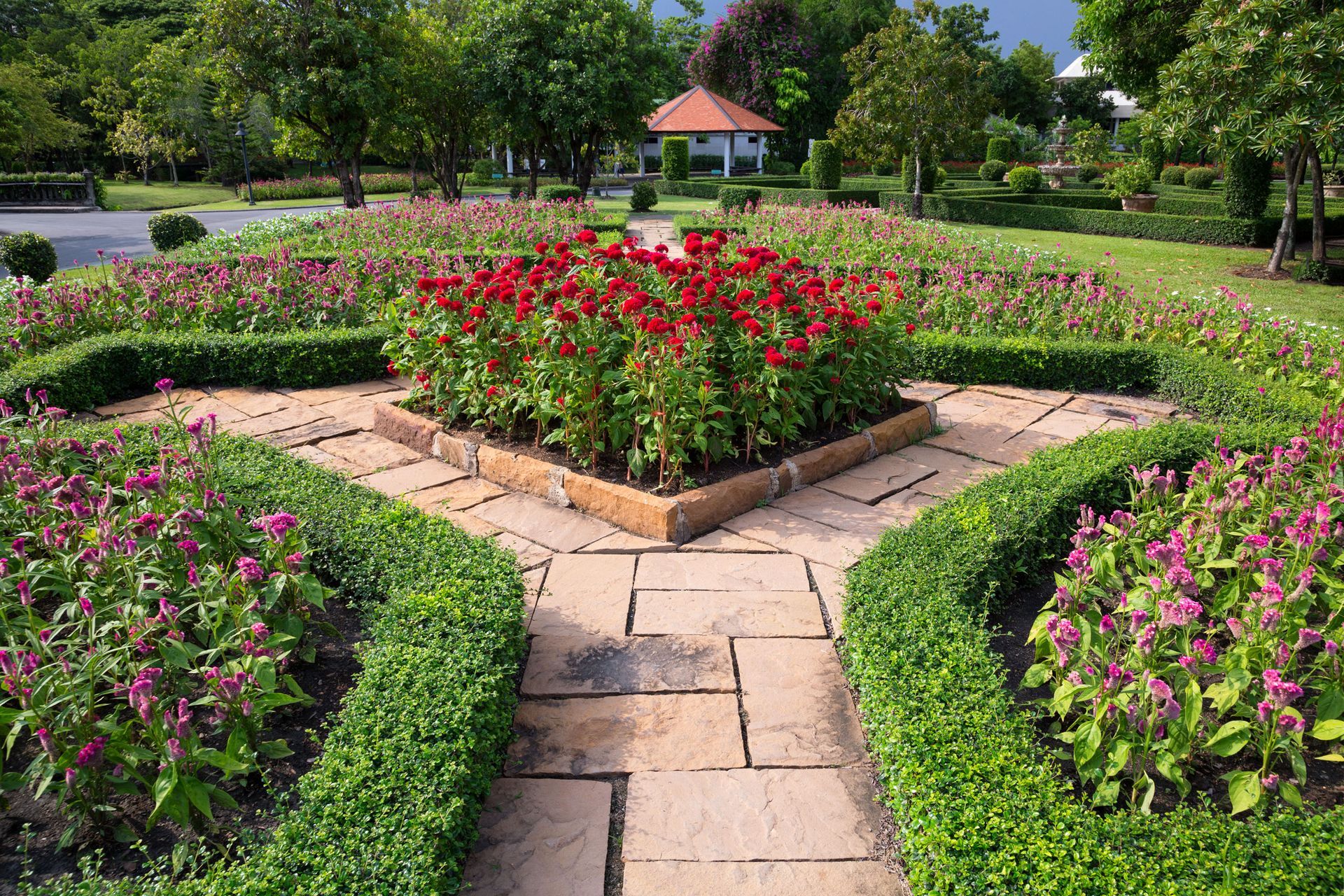
Effective garden design relies heavily on how you intentionally guide movement through the available space. Creating a clear pathway between your designated zones encourages people to explore the area rather than stand in one spot. A curving stone walkway forces you to slow down and take in the surroundings, making the short journey feel longer and the space feel more substantial. Careful zoning combined with deliberate pathways transforms a square plot into a dynamic living environment.
4. Utilize Strategic Lighting and Reflective Surfaces
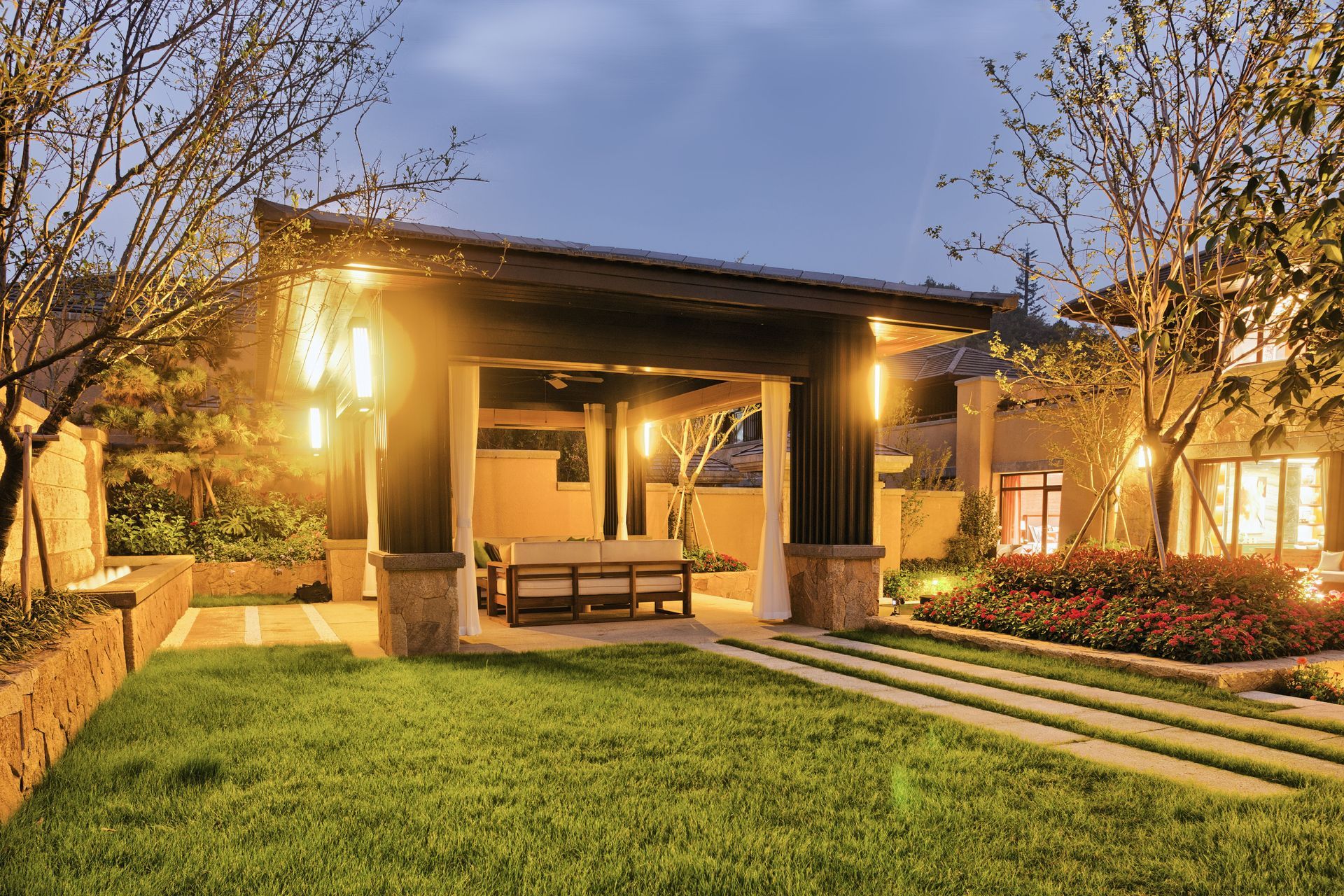
Proper lighting extends the usability of your outdoor sanctuary into the evening hours while altering its perceived size. A single bright overhead light creates harsh shadows and makes a space feel uncomfortably enclosed. Instead, layer multiple soft light sources at various heights to create appealing depth and welcoming warmth. String lights draped across a patio or woven through a trellis provide a gentle ambient glow that softly blurs the physical boundaries of the yard.
Solar path lights help delineate walkways and draw attention to specific planting beds after the sun goes down. Small uplights placed at the base of trees or textured walls highlight vertical features and draw the eye upward into the night sky. Illuminating the far corners of your yard prevents the perimeter from disappearing into darkness, visually pushing the boundaries outward. A well-lit perimeter gives the illusion of a much deeper and expansive property.
Incorporating reflective surfaces is another effective trick to enhance the feeling of open space. Outdoor mirrors mimic the look of an extra window or an elegant archway leading to another part of the yard. Positioning a weather-resistant mirror opposite your vibrant plants reflects their colors and doubles the visual impact of your greenery. It's a classic garden design strategy that tricks the human brain into perceiving more depth.
Transforming a tiny yard into a stunning sanctuary is a rewarding process that yields daily benefits. By focusing on vertical growth and versatile furniture, you maximize every inch of your property. Establishing distinct activity zones and utilizing clever lighting techniques further enhance the illusion of a grander space. Your limited square footage shouldn't stop you from enjoying a functional and beautiful exterior retreat. A smart garden design allows you to merge visual aesthetics with everyday practicality seamlessly.
You have the power to create an inviting environment that reflects your personal style, regardless of the physical constraints you face. Careful planning and a willingness to think creatively are the main tools you need to succeed. Implementing these four strategies will help you master the foundational elements of modern garden design. Start evaluating your outdoor area today, and you'll soon enjoy a revitalized space that feels open, neatly organized, and relaxing.
Contact Charles Hodges, LTD. Gardens today to start planning a personalized garden design that maximizes your small outdoor space.
Share On: